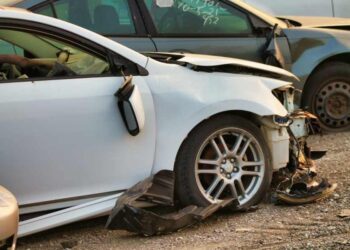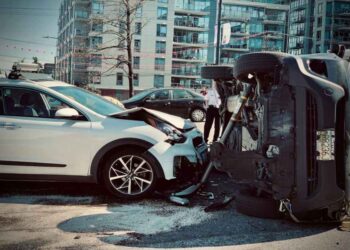


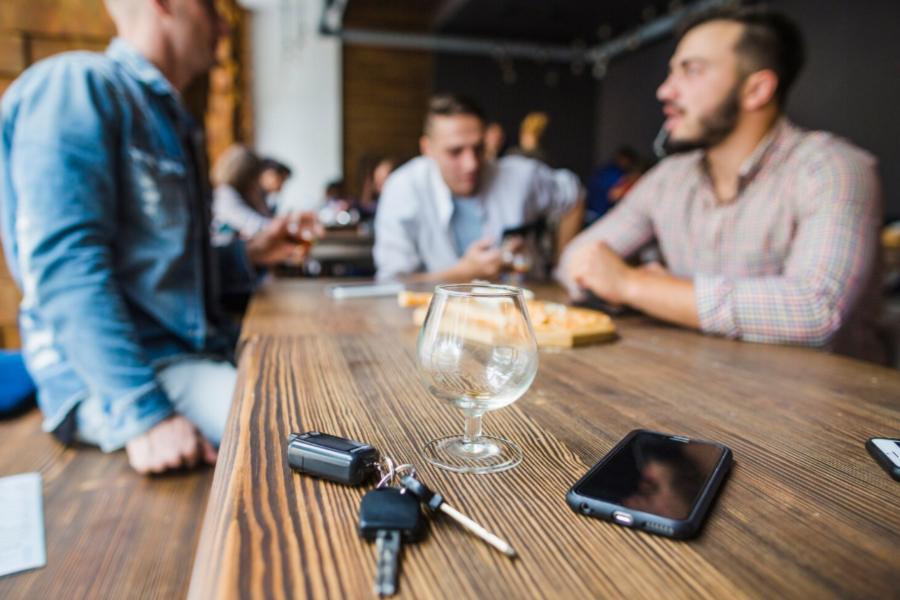
Group drinking events are meant to be social and fun. Decisions often feel shared, which lowers individual caution. After serious crashes, a motorcycle accident lawyer frequently hears how one night of partying spiraled into a life-changing mistake.
The Social Pressure to Keep Up
In a group, it is easy to fall into everyone else’s pace. Most people do not want to be the one who skips a round or calls it early. That quiet pressure can lead to drinking more than they meant to.
As the night goes on, the group sets a new normal. What felt like too much earlier starts to feel acceptable. Personal limits quietly disappear.
Shared Responsibility Dilutes Judgment
When everyone is involved, no one feels fully responsible. Decisions feel like they belong to the group instead of the individual. That makes risky choices easier to justify.
People assume someone else will step in. The idea that a friend will stop bad behavior creates a false sense of security. In reality, everyone may be thinking the same thing.
Overconfidence Fueled by Familiar Faces
Being surrounded by friends creates comfort. That comfort can turn into overconfidence. People feel safer than they actually are.
Familiar environments lower perceived risk. A short drive home feels harmless. Alcohol makes that judgment even worse.
The Illusion of Safety in Numbers
Groups often believe there is protection in sticking together. Having others around can make a situation feel more controlled. That sense of safety disappears once someone gets behind the wheel.
Alcohol affects coordination and reaction time regardless of how many people are present. Impairment does not cancel itself out because it is shared. The body responds the same way every time.
Group Norms Shift Throughout the Event
Early in the event, caution may exist. Plans for rides or designated drivers are discussed. Those plans often fade as drinking continues.
As intoxication increases, priorities change. Convenience replaces safety. The group adapts to the most relaxed standard present.
Decision Making Gets Louder and Less Rational
Alcohol can make people feel bold while it dulls good judgment. In a group, the loudest voice often takes over and sets the plan. The idea that sounds most confident can end up winning, even if it is a bad one.
That confidence can drown out safer ideas. Others may go along just to keep the mood light or avoid an argument. When nobody objects, silence starts to look like agreement.
The Role of Celebration and Emotion
Big events make people more emotional and more impulsive. Weddings, birthdays, and reunions can feel like a reason to let standards slide. In that atmosphere, rules and limits can start to feel optional.
People also tell themselves it is just one night. They treat the occasion like an exception that will not have consequences. That mindset makes risky choices easier to ignore.
Normalization of Impaired Driving
When multiple people consider driving, it feels normal. Seeing others make the same choice reinforces it. The behavior becomes socially acceptable in the moment.
This normalization is dangerous. It hides how impaired everyone actually is. Shared bad judgment does not make a safe decision.
Misjudging Impairment Levels
People often compare themselves to others. If everyone seems equally impaired, no one feels especially unsafe. That comparison is misleading.
Alcohol affects individuals differently. Tolerance does not equal safety. Slower reaction times remain even when someone feels fine.
The Designated Driver Plan That Fails
Designated driver plans can unravel once the night gets going. The person who was supposed to stay sober may end up drinking, or friends may encourage them to loosen the rules. What started as a solid plan turns into a vague idea.
Assumptions replace confirmation. People stop checking whether the plan is still valid. That gap leads to dangerous outcomes.
Transportation Options Ignored Late at Night
Early in the night, rideshares and taxis are a good backup. Later, everyone is tired and wants to leave together. Waiting starts to feel like a hassle.
Money can also shift the decision. Splitting a ride seems fine when people are thinking clearly. Later, the goal becomes getting home fast and spending as little as possible.
How Group Dynamics Affect Motorcyclists
Motorcyclists have less room for mistakes than drivers in cars. Keeping a bike steady takes balance, timing, and quick reactions. Even a small amount of impairment can turn a regular ride into a serious crash.
Group nights can make a short ride feel like no big deal. Someone may think, “It’s only a few minutes,” especially if the route is familiar. Alcohol wipes out that thin safety cushion riders rely on.
Long-Term Consequences of One Group Decision
One poor decision can have lasting effects. Injuries, legal problems, and financial strain can follow in an instant. While the group moves on, the outcome stays with the person hurt.
Regret often comes too late. The memory of encouragement or silence lingers. Responsibility becomes painfully clear afterward.
Breaking the Pattern Before It Starts
The best time to make a safe plan is before the first drink. Decide how everyone is getting home and treat it like a rule, not a suggestion. If the plan changes, it should change to something safer, not something easier.
Friends should speak up early. Discomfort is better than tragedy. One clear voice can shift the outcome.
Final Thoughts
Group drinking events quietly encourage risky driving decisions. Shared judgment often replaces personal responsibility. A motorcycle accident lawyer frequently sees the aftermath when those choices end in serious harm.