

Using a rideshare service feels routine at this point. A few taps on the phone, and a car arrives; the trip begins. Most passengers don’t give safety or liability much thought until something goes wrong. Once an accident happens, a series of questions follows: Who pays the medical bills? Which insurance applies? What happens next?
Passengers often assume they’re protected automatically, but rideshare accidents don’t work like standard car accidents. Insurance coverage can shift depending on timing, responsibility isn’t always obvious, and the process can feel confusing from the start. If you don’t understand the basics, it’s easy to say or do something that hurts your ability to recover compensation.
Here, you’ll learn the rideshare accident basics so you can protect yourself, your health, and your financial future.
What Counts as a Rideshare Accident for Passengers
A rideshare accident involves a vehicle being used through a ridesharing service at the time of a crash. For passengers, the most important factor is whether the driver was actively transporting a rider when the collision occurred. That single detail determines which insurance policies apply and how claims are handled.
Unlike traditional car accidents, rideshare crashes sit between personal driving and commercial transportation. The driver isn’t operating a private vehicle in the usual sense, but they’re also not a common carrier like a bus or taxi. That gray area is why these accidents follow different rules, especially when it comes to insurance coverage and liability insurance.
Why Rideshare Accidents Are Handled Differently Than Car Accidents
In a typical car accident, responsibility usually falls on one driver’s personal auto insurance. Rideshare accidents add another layer. Coverage depends on what the driver was doing in the driver app at the exact moment of impact.
If the driver was offline, personal auto insurance may apply. If the driver was logged in and transporting a passenger, a different liability coverage structure often comes into play. This distinction matters because insurance companies don’t automatically agree on who should pay.
In busy cities, these disputes happen often. Las Vegas, for example, deals with heavy traffic congestion, nonstop tourism, and constant rideshare activity. Crashes in crowded areas tend to involve more than one insurance carrier, which can slow down claims and complicate responsibility. That’s why injured passengers often turn to the best personal injury lawyers in Las Vegas, who understand how local traffic conditions and rideshare insurance coverage intersect.
What Typically Happens at the Accident Scene
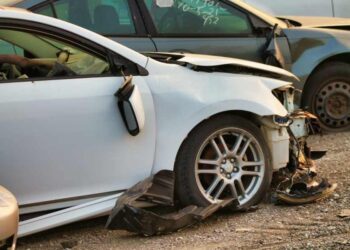
After a rideshare accident, the scene usually unfolds quickly and under stress. Law enforcement may arrive, emergency medical services may be called, and vehicles are assessed for damage. As a passenger, you’re not expected to manage the situation, but understanding what’s happening helps you stay oriented.
Officers gather statements, document vehicle damage, and determine whether citations are issued. That information feeds directly into the police report. Even if injuries seem minor, that report establishes that the crash occurred and that you were a passenger at the time.
Passengers should also expect insurance companies to rely heavily on what’s recorded at the scene. Inconsistencies or missing details can complicate claims later.
How Accident Injuries Affect Passenger Claims
Accident injuries don’t always show up immediately. Soft tissue injuries, concussions, and brain injuries can take hours or days to become obvious. Broken bones may not cause severe pain right away, especially during adrenaline spikes.
Medical records connect injuries to the crash. Without them, insurance carriers may argue that injuries came from another incident or weren’t serious enough to warrant compensation. Even minor-seeming injuries can turn into long-term issues if untreated.
From an insurance perspective, documentation matters as much as diagnosis. Delayed care often weakens claims, regardless of how real the pain is.
How Insurance Coverage Works in Rideshare Accidents
Insurance coverage in a rideshare accident depends on timing. When a passenger is inside the vehicle, higher liability insurance limits generally apply, but that doesn’t mean payment is automatic. Insurance companies examine app status, trip data, and driver activity. They may request access to trip-level data to confirm whether coverage applies. If another vehicle caused the crash, that driver’s liability insurance may be involved as well.
Passengers can also encounter uninsured/underinsured motorist issues when the at-fault driver lacks adequate coverage. In those cases, determining which insurance policy responds becomes more complicated.
Which Insurance Policies May Apply to Passengers
Several insurance policies can be involved in a single rideshare accident. These may include the rideshare driver’s personal auto insurance, a commercial liability insurance policy tied to the ride, and coverage carried by another driver.
Insurance companies don’t always agree on responsibility. Disputes between insurance carriers can delay payouts, even when faults seem clear. During this time, medical bills and other expenses continue to accumulate. Understanding which insurance policies are in play helps explain why claims move slowly and why patience alone doesn’t always resolve disputes.
How Fault and Liability Are Determined
Fault in a rideshare accident isn’t always straightforward. Investigators look at traffic laws, road conditions, witness statements, and vehicle damage. Distracted driving, alcohol-related crash indicators, or speeding can all influence liability findings.
Passengers are rarely found at fault, but liability still matters because it determines which insurance coverage applies. Shared fault between drivers can lead to partial payouts or prolonged negotiations between insurance companies. This process can be time-consuming, especially in complex motor vehicle crashes involving multiple parties.
What Legal Rights Passengers Have After a Rideshare Accident
Rideshare passengers have rights, including the right to pursue compensation for accident injuries, lost income, and related expenses. Legal rights also include the ability to challenge denied or undervalued insurance claims. Insurance companies are not obligated to prioritize your recovery. Their goal is to limit financial exposure.
Personal injury lawyers help protect those rights by handling communication, reviewing evidence, and negotiating on behalf of their clients. Many work on a contingency fee, which means no payment unless compensation is recovered.
When Legal Representation Becomes Part of the Process
Legal representation often becomes necessary when injuries are serious, liability is disputed, or insurance companies delay payment. Complex insurance coverage issues and multiple carriers increase the likelihood of legal involvement.
A personal injury attorney evaluates the full scope of damages, including future medical needs and long-term impacts. That perspective is difficult for passengers to maintain while recovering from injuries.
Why Rideshare Accident Claims Take Longer Than Expected
Rideshare accident claims frequently take longer than standard car accident claims. Multiple insurance companies, layered coverage, and disputed liability all slow the process. Insurers may request additional documentation, conduct internal investigations, or delay responses while negotiating behind the scenes. These delays are common and often intentional.
Understanding this timeline helps manage expectations and reduces the pressure to accept early settlements that may not reflect the full cost of injuries.
What Passengers Should Understand Before Accepting a Settlement
Settlement offers are final. Once accepted, additional compensation is usually off the table, even if injuries worsen. Early offers often fail to account for long-term treatment, rehabilitation, or lost work.
Passengers should understand the full extent of damages before agreeing to any settlement. That includes future medical needs and non-economic losses. Being informed protects you from trading short-term relief for long-term financial strain.
Key Takeaway
A rideshare accident can leave passengers feeling powerless, especially when insurance rules aren’t clear. Knowing the basics gives you leverage. From understanding how coverage applies to recognizing when legal support is necessary, informed passengers make better decisions. Preparation doesn’t prevent accidents, but it does protect your health, your rights, and your financial future when something goes wrong.