


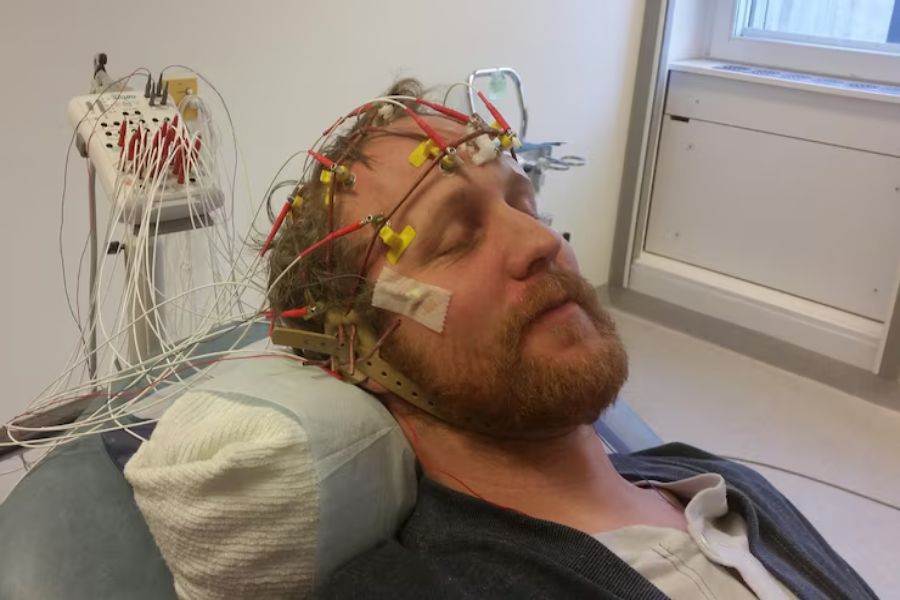
Going under for surgery is a stressful experience for anyone. Most of us trust that once the mask goes on, we are in the safest possible hands. While anesthesia is generally safe, things can go wrong if oxygen levels drop or blood pressure fluctuates too much during the procedure. Finding support for brain injury victims is a critical step for families who realize their loved one didn’t wake up quite the same as they were before the operation.
The Subtle Shift in Personality and Mood
One of the most jarring symptoms isn’t physical, but emotional. Families often notice that the patient seems “different” after they come home. You might see a person who was once patient and calm suddenly become:
- Irritable
- Aggressive
- Prone to massive mood swings
This happens because the parts of the brain that regulate emotional control are highly sensitive to oxygen deprivation. If the brain suffered even a brief period of hypoxia during surgery, the person might struggle to filter their reactions, leading to a personality change that feels permanent and frightening.
Cognitive Clouds and Memory Gaps
We often joke about “post-op fog,” but there is a line where normal grogginess becomes a serious concern. If it’s been weeks and your loved one is still tripping over simple instructions or losing their train of thought right in the middle of a sentence, it’s time to stop calling it “recovery” and start looking closer. Maybe they can’t keep track of a basic daily schedule anymore, or they get overwhelmed by things they used to do on autopilot.
This kind of stuff usually gets labeled as “executive dysfunction,” which is just a fancy way of saying the brain’s command center isn’t firing right. They aren’t just worn out from surgery; their brains have actually changed the way they handle information, making multitasking or even basic organizing feel like climbing a mountain.
Physical Coordination and Motor Issues
Other times, the red flags are purely physical. You might see a slight shake in their hands that was never there before, or notice they’re suddenly walking like they can’t quite find their balance. It’s common for people to describe a weird, floaty feeling, like they’re disconnected from their own arms and legs.
In the tougher cases, it shows up as constant numbness or a total loss of those “small” movements we take for granted. If they’re fumbling with shirt buttons or can’t seem to steady a fork during dinner, it’s a sign that the brain’s motor controls took a hit during the procedure.
Vision and Sensory Changes
The brain processes everything we see, hear, and feel. When a brain injury occurs under anesthesia, the sensory highway can get jammed. A patient might complain of blurred vision or a strange sensitivity to bright lights and loud noises that never bothered them before. Tinnitus, or a constant ringing in the ears, is another common red flag.
Because these symptoms are internal, they are often dismissed by doctors as side effects of medication, but they deserve a closer look if they persist long after the drugs should have left the system.
Sleep Disturbances and Chronic Fatigue
It sounds counterintuitive, but a brain that has been injured often has a very hard time resting. You might notice the person sleeping for twelve hours and still waking up exhausted, or conversely, suffering from intense insomnia.
This happens because the injury disrupts the natural sleep-wake cycle. This level of fatigue is bone-deep and doesn’t get better with a cup of coffee. It’s an exhaustion that stems from the brain working twice as hard just to perform basic functions.
Final Thoughts
Catching these signs early is the absolute best way to make sure a real recovery plan actually gets off the ground. Nobody should be forced to wade through the mess of a medical mistake by themselves, and finding dedicated support for brain injury victims can give you the actual resources and legal help you need to keep your life moving forward. If your gut is telling you that something just isn’t right, don’t ignore it. Listen to that instinct and start speaking up for your health.