


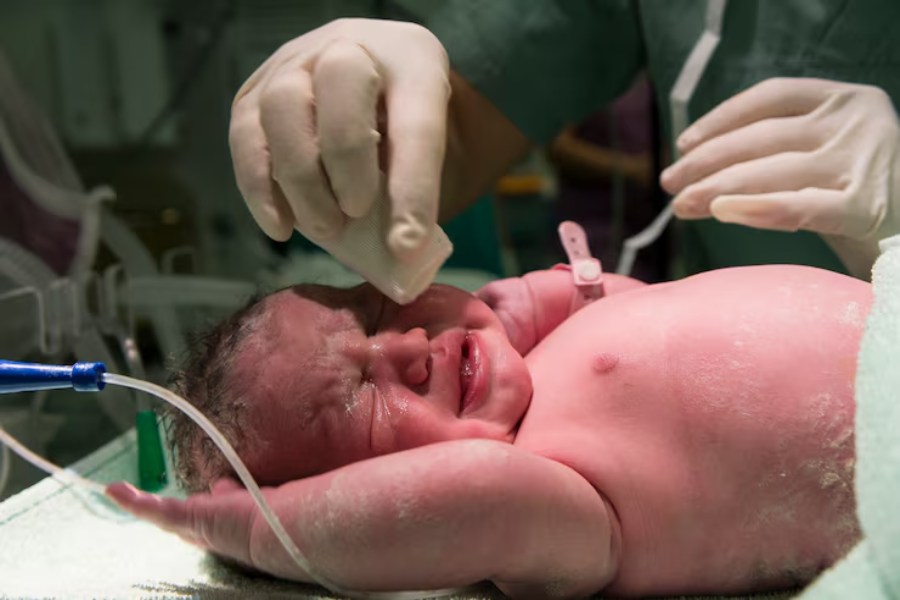
When something feels off after birth, families are pushed into research mode overnight. In that rush, the terms birth injury and birth defect can blur together, especially when you are hearing them from different providers. But the distinction matters because it points to different causes. It also changes which records you need, what questions to ask, and how a legal claim is evaluated.
A defect is typically tied to development during pregnancy. An injury is more often connected to events during labor, delivery, or the immediate newborn period. Getting that framework early can save time, reduce confusion, and help you focus on facts that move a claim forward.
Start with the cause
A birth defect is usually a condition that develops during pregnancy, often tied to genetics, fetal development, or certain exposures. A birth injury generally refers to harm that occurs during labor, delivery, or shortly after, sometimes linked to preventable mistakes like delayed response to fetal distress or improper use of delivery tools.
If you are trying to understand whether the care team’s decisions may have played a role, the Birth Injury Justice Center is a useful starting point for learning how claims are reviewed, what records to request, and what early questions to ask.
The timeline determines which evidence matters
In defect-related situations, the focus is often on pregnancy care. This means early screenings, ultrasound findings, genetic testing options, referrals, and whether risks were explained clearly.
In injury claims, the spotlight shifts to labor and delivery. Fetal monitoring strips, medication timing, staffing notes, and decisions around induction, vacuum or forceps, and C-section can carry the most weight.
The same diagnosis can have different origins
Some outcomes are closely associated with delivery complications, but still require careful causation work. For example, a brachial plexus injury might follow shoulder dystocia, while oxygen-related injuries can involve delayed response to fetal distress.
On the other hand, congenital heart defects or chromosomal conditions are typically rooted in development, not delivery. A claim rises or falls on linking the harm to a duty and a breach, not simply on the diagnosis name.
Liability and who may be responsible can shift
If a condition is a defect without negligent care, there may be no medical malpractice claim, even if the needs are severe. If it is an injury tied to substandard care, potential defendants can include individual clinicians and the facility.
However, there are gray areas. A prenatal issue might require planning that was missed, or a known risk might demand a different delivery approach. These overlapping cases often rely on independent medical experts. Just like how you carefully choose Stylish Names for a project to reflect its identity, determining liability in complex birth cases depends on understanding the details and recognizing the right path forward.
Damages are about the child’s future, either way
Families may face therapy costs, adaptive equipment, home modifications, and long-term support needs in either situation. What changes is the causal story behind these costs.
In a birth injury case, you argue that an avoidable event created new needs. In a defect case, you may argue that a missed diagnosis changed treatment options, increased severity, or delayed critical interventions. Either way, a life care plan can translate future needs into a practical estimate and keep the focus on stability.
Endnote
You don’t have to classify the case immediately, but you do need a clean record trail. Request prenatal files, labor and delivery notes, fetal monitoring strips, NICU charts, imaging, and pediatric follow-ups. Write down dates, symptoms, and names while details are fresh. Then speak with a qualified lawyer in your state.