


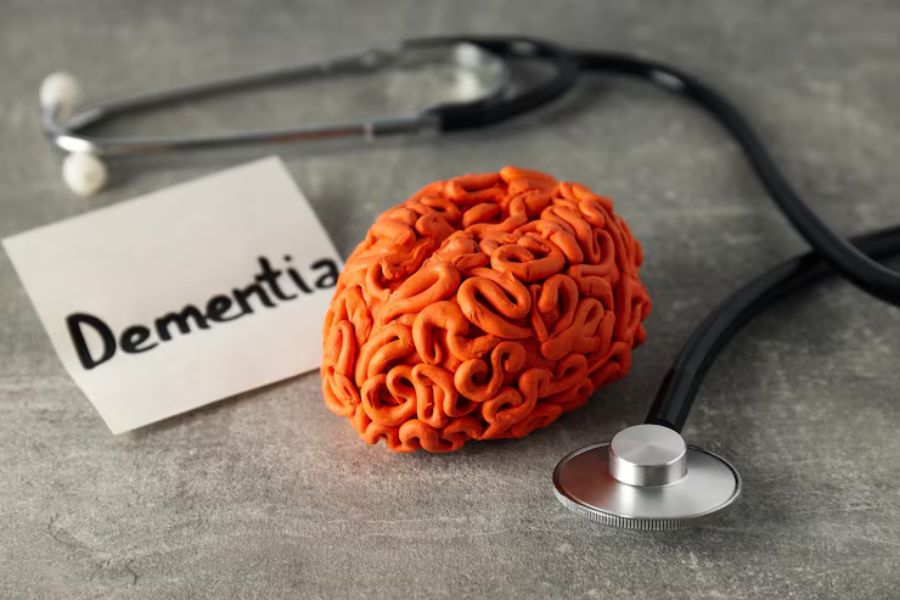
Stroke changes a life in minutes. When treatment is late, brain cells die that can never be replaced. In some cases, questions about care may later lead to legal help for physicians under investigation.
Why “Time Is Brain” Matters
The brain is greedy for oxygen and blood flow. When a vessel is blocked or bursts, that supply is cut off. Every passing minute means more brain cells lost.
Unlike muscles or skin, brain tissue does not heal well after major injury. Damage can leave lasting problems with speech, movement, memory, or behavior. Quick diagnosis gives doctors a chance to limit that harm.
This is why stroke is treated like an actual emergency. The sooner the team knows what type of stroke is happening, the sooner they can act. Delays at any step can narrow treatment options.
Ischemic Versus Hemorrhagic Stroke
Most strokes are ischemic strokes. A clot blocks a blood vessel in the brain, much like a clog in a pipe. The area beyond the blockage starts to starve for oxygen.
Hemorrhagic strokes are different. A vessel in the brain leaks or bursts, spilling blood into or around brain tissue. The blood itself, plus rising pressure, injures nearby cells.
Both types are deadly, but they are treated very differently. A clot might be dissolved or pulled out. Bleeding usually calls for blood pressure control, reversal of blood thinners, or sometimes surgery.
Common Signs That Should Trigger Fast Action
Classic stroke signs often come on suddenly. A drooping face, weak arm, or slurred speech are well-known. Sudden confusion, vision changes, or trouble walking can also be warnings.
Severe headache, especially “the worst headache of my life,” can point to bleeding in the brain. Nausea, vomiting, or loss of consciousness may follow. These symptoms should never be ignored or “slept off.”
Families sometimes see these changes before the patient does. A loved one may sound strange on the phone or move in an odd way. Taking those early signs seriously can save precious minutes.
Where Diagnostic Delays Often Happen
Delays can start at home. People may hope symptoms will fade or blame them on fatigue, stress, or low blood sugar. Hours can pass before anyone calls emergency services.
Once in the system, more time can slip away. A crowded emergency department may slow triage. If a stroke is not recognized quickly, brain scans and labs may be delayed.
Even after a stroke is suspected, other problems can still arise. A patient may be confused and unable to share their history. Old records may be hard to find, and decisions about blood thinners or allergies can delay treatment.
The Role Of Imaging And Lab Work
A head CT scan is often the first major step. It helps doctors detect bleeding. Without that answer, they cannot safely give clot-busting drugs.
If no bleed is observed, other tests may be performed. CT angiography or MRI can better show blocked vessels. These pictures guide whether a patient might benefit from mechanical clot removal.
Blood tests matter too. Doctors need to know about clotting, kidney function, and current medications. While this work-up is essential, any additional delay must be weighed against the risk of damage spreading in the brain.
How Delays Affect Treatment Windows
For ischemic stroke, some clot-busting medicines work best within a narrow time window. That is often measured in just a few hours from the moment symptoms started. Miss that window, and that option may no longer be safe.
Mechanical clot removal can sometimes be done later. But even there, earlier is usually better. More brain tissue can be saved when the blocked vessel is reopened quickly.
In a hemorrhagic stroke, time matters for a different reason. Ongoing bleeding or rising pressure can crush delicate structures. Fast control of blood pressure and reversal of blood thinners can limit the flood.
System Challenges And Human Factors
Hospitals work hard to build stroke protocols, but gaps still exist. Rural facilities may not have round-the-clock imaging or specialists on site. Telemedicine can help, but only if the system is in place and staff are trained.
Bias and assumptions can add delay. Younger patients, women, or people with mental health histories may have symptoms brushed off as anxiety or migraine. This can lead to dangerous “wait and see” decisions.
After a bad outcome, these choices may be examined closely. Documentation of times, decisions, and discussions becomes very important. Patterns of delay can raise complicated questions for both individual clinicians and the system.
Learning From Delays And Protecting Patients
Teams that review stroke cases can spot recurring problems. Slow triage, poor communication, or missing protocols can be fixed. Regular drills and clear checklists help staff move faster when seconds count.
Physicians and nurses also need room to speak up when systems fail. Honest review and open discussion lead to safer care. Fear of blame should not block learning and improvement.
Conclusion
Still, when harm is serious, outside review sometimes happens. In those cases, providers may seek legal help for physicians under investigation, while families seek their own answers. The shared goal, beyond any dispute, should be fewer delays and more lives saved when time is brain.