


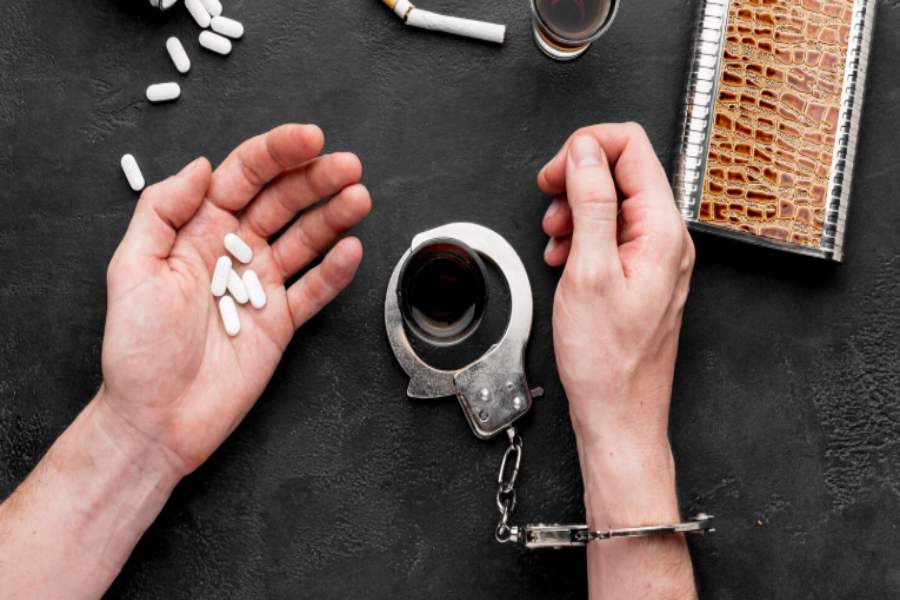
Recreational drug use is often treated as harmless fun. Many people do not connect a relaxed evening with serious legal trouble. A DWI attorney regularly sees how quickly one decision can change a life.
Recreational Drug Use Feels Low Risk
A lot of people use drugs in social settings, and nothing bad happens right away. They feel calmer, more upbeat, or more in the moment. That feeling can make it seem like everything is under control.
Compared to alcohol, the effects can creep in and feel less obvious at first. Someone might think they are fine to drive because they do not feel drunk. That misplaced confidence is where the trouble often starts.
How Drugs Affect Driving Ability
Drugs impact reaction time, focus, and judgment. Even small amounts can interfere with coordination. The effects vary widely by substance and by person.
Some drugs make everything feel slower, including your ability to notice hazards and respond. Others mess with depth perception, speed judgment, or attention in ways that are hard to notice in the moment. Mixing substances makes it even harder to predict what your body will do.
Why People Underestimate Impairment
Many drivers rely on how they feel rather than how they perform. Feeling alert does not mean reacting quickly. The brain can misjudge its own impairment.
Tolerance also plays a role. Regular users may feel normal while still impaired. Law enforcement focuses on behavior, not personal perception.
How Police Detect Drug Impairment
Traffic stops often begin with minor issues. A broken light or a drifting lane can draw attention. Once stopped, officers look for signs of impairment.
They may look for slow answers, confusion, or behavior that seems off. You could be asked to step out for field sobriety tests. In some situations, a drug recognition expert may be brought in to evaluate what they think they are seeing.
The Limits of Field Sobriety Tests
Standard tests were designed for alcohol. Drugs affect the body differently. Results can be subjective and inconsistent.
Balance issues or medical conditions can influence outcomes. Anxiety and fatigue can also affect performance. Despite this, test results carry weight.
Chemical Testing and Its Challenges
Blood and urine tests are common in drug-related DWI cases. They can show that a substance was in your system, but they do not always prove you were impaired at the time you were driving. That difference matters, and it is where many cases become complicated.
Some substances remain detectable long after effects fade. This creates disputes about timing and impact. Science is complex and often misunderstood.
Prescription Drugs and Legal Risk
Many people assume prescriptions are safe to drive on. Warnings are often overlooked. Legal use does not prevent impairment charges.
The risk grows when prescriptions are mixed with other substances. Even common combinations can cause drowsiness, slower reactions, or poor judgment. Ultimately, the driver is responsible for choosing not to drive when a medication affects them.
Marijuana and Changing Laws
Legalization has changed public attitudes. Many assume legality means safety. Driving laws have not changed in the same way.
Marijuana affects reaction time and decision-making. Testing standards vary by state. Confusion often leads to unexpected charges.
The Moment of the Police Stop
A traffic stop is stressful. Words and actions are closely observed. Nervous behavior can raise suspicion.
What you say matters. Casual statements can be used later. Many people talk themselves into deeper trouble.
Arrest and Immediate Consequences
An arrest can happen quickly. Vehicles may be towed. Licenses may be suspended.
The experience is overwhelming. Many do not understand what happens next. Decisions made early have long-term effects.
Long-Term Impact of a Drug DWI
A conviction can affect employment and housing. Background checks reveal charges. Professional licenses may be at risk.
Insurance costs often increase sharply. Financial strain follows legal penalties. The ripple effects last for years.
Why These Cases Are Often Defended Aggressively
Drug DWI cases rarely hinge on one apparent fact. Testing can be disputed, and results do not always line up neatly with impairment. Officer observations also depend on interpretation, which can be challenged.
Small details often make or break the case. Timing, paperwork, and how procedures were handled can change what evidence is usable. A strong defense looks closely for gaps, mistakes, or overreach.
The Importance of Early Legal Help
Waiting usually makes the situation harder. Video can be overwritten, memories fade, and paperwork gets locked into place. The longer it sits, the fewer options you may have.
Early legal help protects your rights from the start. It also helps shape how the story is presented from the beginning, instead of reacting later. Good decisions early can prevent bigger problems down the line.
Learning From Common Mistakes
A lot of people assume that being cooperative will automatically lead to a break. Others think talking more will clear everything up. In reality, those choices can sometimes add complications.
Posting online or chatting about the case can create new evidence. Even casual comments can be misunderstood or taken out of context. It is usually safer to stay quiet and rely on professional advice.
Final Thoughts
Recreational drug use can turn serious without warning. A single drive can change everything. A DWI attorney can help guide people through the aftermath and protect their future.