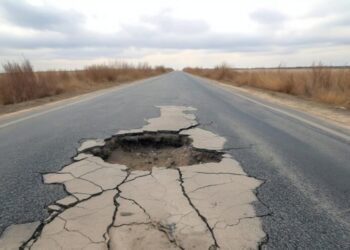



Texas is a state defined by its vast landscapes, bustling cities, and extensive highway systems, making vehicular travel a central part of daily life. With millions of drivers navigating interstates, rural roads, and urban streets, car accidents are an unfortunate reality for many Texans. The legal framework surrounding these incidents is shaped by state-specific laws that govern liability, insurance claims, and personal injury protections. Understanding the environment in which accidents occur is essential because factors such as traffic patterns, road conditions, and local regulations directly impact the process of filing and substantiating a claim.
Evidence plays a crucial role in strengthening car accident claims by providing clarity and credibility to every aspect of a case. Photographs documenting vehicle damage and road conditions, medical records detailing injuries, witness statements, and expert analyses each contribute to a comprehensive account that insurance adjusters and courts can rely on. Properly preserved evidence can prevent disputes over fault and help ensure that compensation reflects the actual harm suffered. For individuals navigating this process, guidance from a knowledgeable car accident lawyer in Texas can make a significant difference in compiling and presenting proof effectively.
Why Evidence Matters
Accurate documentation helps prove the details of a crash. Because they present the facts, they limit the chance that a dispute will arise. Insurance companies and lawyers need this information to determine fault and damages. Evidence should be collected and preserved properly to prevent details from being misrepresented.
Types of Useful Evidence
Images from the scene of a crash can provide important context. Photos of vehicle damage, road conditions, and visible injuries can clear up details. The accident report filed by police officers creates an official record of the incident and provides an objective overview of the events that led to the incident. These records often include statements from witnesses and the officers’ opinion on who was responsible.
Medical Records
These records serve as crucial evidence when you file a claim for your injury. They link the injuries to the accident. Ongoing treatment notes show the severity and extent of the injury. Extensive medical records also demonstrate the need for compensation. They make it difficult to argue that your injuries were unrelated to the accident or not as serious as claimed.
Witness Testimonies
Witnesses may have seen things that the people involved in the accident missed. Their statements can corroborate or refute other testimony and provide clarity. Insurance adjusters and legal professionals often hold these statements in high regard, as they can help them determine who caused the crash.
Input From Accident Reconstruction Experts
Experts can recreate the events that led to a crash. These professionals utilize empirical evidence and science to produce comprehensive analyses. Their reports often detail the speed of the vehicles, the angle of impact, and other technical details. These insights provide clarity regarding how and why the accident happened. Decision-makers often turn to these opinions when evidence is conflicting or incomplete.
Surveillance Footage and Digital Evidence
Video from traffic and surveillance cameras serves as objective evidence. This footage can show the events before, during, and after the collision. They can provide key context regarding the actions of the drivers and whether any rules were violated. Vehicle tracking systems also contain data that may support claims. It can help confirm the speed, direction, and position of vehicles at critical moments.
Preserving Evidence Effectively
You should take timely action to prevent evidence from being lost or destroyed. Obtain documents and physical evidence as soon as possible. Store photographs, medical records, and contact details of the witnesses in a secure location to prevent accidental loss. You should maintain a detailed record of all evidence and correspondence. This will help you in insurance and legal claims later.
Conclusion
Evidence serves as the foundation for strong car accident claims. Clear documentation can support every part of a case. Photographs, medical notes, witness statements, and expert analyses combine to create a compelling narrative. Obtaining and preserving evidence in a timely manner can increase your chances of securing a favorable outcome.