
When you’re involved in a boating or harbor accident in Seattle, understanding how maritime law governs your situation is essential. This specialized body of law defines liability, jurisdiction, and safety requirements across Washington’s navigable waters. It also determines how claims and investigations proceed, often under federal authority. Before you navigate these complex legal waters, it’s important to grasp which rules apply and how they impact your rights and responsibilities.
Overview of Maritime Law Principles in Seattle
Although maritime law can be complex, understanding its core principles is essential if you’re involved in boating activities in Seattle. Maritime jurisdiction governs navigable waters and vessels, establishing the legal framework that applies to incidents on these waterways. When addressing accident liability, maritime law delineates responsibilities among vessel operators, owners, and other parties, ensuring accountability for negligence or misconduct. Because these claims often rely on federal statutes and long-standing case precedents, individuals may benefit from insight provided by Seattle maritime accident attorneys when navigating doctrines such as seaworthiness and maintenance. Steering through these principles accurately helps protect your rights and clarifies obligations in boating accidents, which is critical to managing disputes arising from maritime incidents in Seattle’s waters.
Jurisdiction of Maritime Law in Washington State Waters
When you’re dealing with maritime incidents in Washington State waters, understanding the division between state and federal jurisdiction is essential. Washington exercises authority within its territorial waters, generally extending three nautical miles from the coastline, while federal maritime law governs beyond that boundary. Knowing where these lines are drawn helps determine which laws apply and which courts have authority over your case.
State Vs Federal Authority
Since maritime activities in Washington State involve both inland and navigable waters, determining whether state or federal law applies can be complex. You need to understand that state jurisdiction typically governs incidents occurring on inland waters or non-navigable bodies, where local regulations and state maritime statutes hold sway. Conversely, federal jurisdiction predominates over navigable waters, including major shipping channels and open seas, where federal maritime law and admiralty principles take precedence. When you face a boating or harbor accident, identifying the applicable jurisdiction depends on the waterway’s classification and the nature of the activity. This distinction is vital because it affects the legal standards, liability rules, and remedies available. As a result, understanding the interplay between state jurisdiction and federal jurisdiction helps you navigate claims and enforcement effectively within Washington’s maritime environment.
Territorial Waters Boundaries
Understanding the boundaries of territorial waters is essential for determining the scope of maritime law jurisdiction in Washington State. You need to recognize that maritime boundaries here extend up to 12 nautical miles from the baseline, consistent with international law. Within this zone, Washington State and federal authorities exercise concurrent jurisdiction, but federal maritime law primarily governs navigation, safety, and pollution. Territorial disputes are rare but can arise regarding precise boundary delineations, especially near international borders or complex coastal geography. These disputes impact enforcement and liability in boating or harbor accidents. When you navigate or operate vessels in Washington waters, being aware of these maritime boundaries helps you understand which legal frameworks apply and which authorities have jurisdiction, ensuring compliance and proper legal recourse in case of incidents.
Common Causes of Boating Accidents in Seattle
Although boating can be enjoyable and safe, certain factors consistently contribute to accidents in Seattle’s waters. You need to be aware that operator error remains the leading cause, often involving failure to maintain a proper lookout or misjudging vessel speed. Additionally, adverse weather conditions, such as sudden fog or strong currents, can compromise navigation and increase collision risks. Equipment failure, including malfunctioning navigation systems or inadequate safety gear, also plays a critical role. To enhance boating safety and support accident prevention, you should prioritize thorough pre-departure inspections and adhere to established navigation rules. Understanding these common causes enables you to implement effective risk management strategies, reducing the likelihood of incidents in Seattle’s maritime environment.
Liability and Negligence in Maritime Incidents
When a boating accident occurs, determining liability hinges on whether negligence can be established. You’ll need to analyze the actions of all parties involved against established negligence standards, which require proving a duty of care was owed, breached, and directly caused damages. Liability assessments focus on factors such as operator conduct, adherence to maritime safety regulations, and environmental conditions. You must also consider contributory negligence, where shared fault can impact compensation. Precise documentation and expert testimony are critical in substantiating claims. Understanding these negligence standards allows you to navigate complex maritime liability frameworks effectively, ensuring accountability is accurately assigned and victims receive appropriate remedies under Seattle’s maritime law.
Role of the U.S. Coast Guard in Harbor Safety
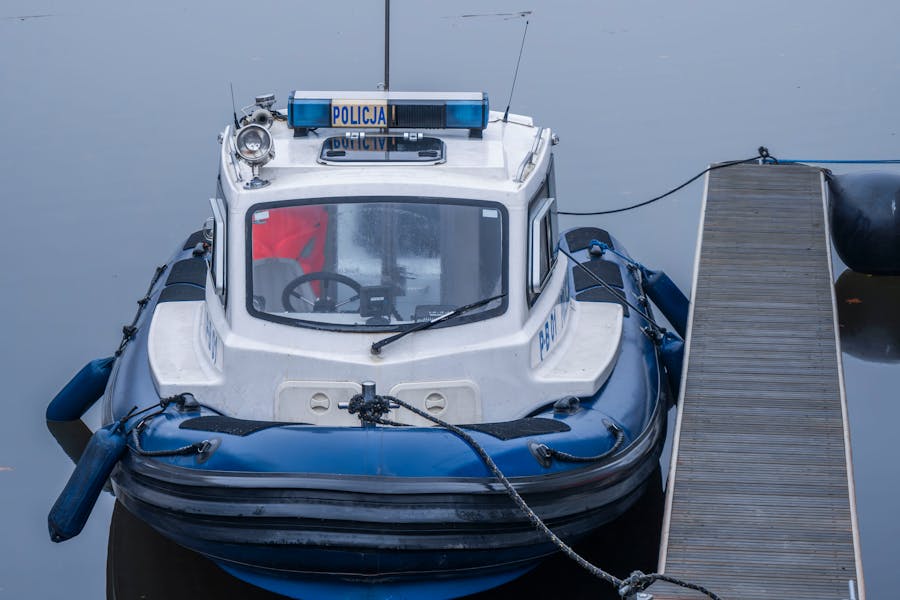
You need to understand that the U.S. Coast Guard enforces strict safety regulations to prevent maritime accidents within Seattle’s harbor. They conduct regular patrols to monitor vessel compliance and respond swiftly to violations or emergencies. This enforcement role is critical to maintaining secure and efficient harbor operations.
Coast Guard Safety Regulations
The U.S. Coast Guard enforces critical safety regulations that directly impact boating safety in Seattle’s harbors. When you operate a vessel, you must comply with these coast guard regulations designed to minimize accidents and guarantee navigational safety. This includes adherence to equipment requirements, such as life jackets, fire extinguishers, and proper lighting. The Coast Guard also mandates regular vessel inspections and operator licensing to maintain safety standards. By following these regulations, you reduce risks of collisions, groundings, or hazardous incidents. Non-compliance can result in penalties or increased liability in the event of an accident. Understanding these safety protocols is essential for any boater to navigate Seattle’s waterways responsibly and within the legal framework established under maritime law.
Harbor Patrol and Enforcement
Although harbor safety depends on many factors, the U.S. Coast Guard plays a critical role in maintaining order through its harbor patrol and enforcement duties. When you navigate Seattle’s waters, you rely on their vigilant patrol responsibilities to prevent collisions, enforce maritime laws, and respond swiftly to emergencies. The Coast Guard’s authority extends to vessel inspections, ensuring compliance with safety regulations that minimize risks in congested harbor areas. Their enforcement of speed limits, no-wake zones, and pollution controls directly contributes to harbor safety. By conducting routine patrols, they monitor vessel traffic patterns and identify hazards before incidents occur. Understanding the scope of the Coast Guard’s patrol responsibilities helps you appreciate their essential function in safeguarding Seattle’s maritime environment and ensuring your safety on the water.
Legal Responsibilities of Vessel Owners and Operators
Every vessel owner and operator must understand their legal obligations to guarantee safe navigation and compliance with maritime regulations. You’re responsible for maintaining your vessel’s seaworthiness and ensuring your crew or passengers’ safety. This includes adhering to strict requirements regarding:
- Vessel maintenance to prevent mechanical failures or hazards
- Operator training and certification to handle the vessel competently
- Compliance with local and federal maritime laws, including navigation rules
- Immediate reporting of any accidents or incidents to authorities
Neglecting these duties can result in liability for damages or penalties. You must act proactively to mitigate risks, as maritime law holds you accountable for negligence in operation or upkeep. Prioritizing these responsibilities helps protect lives, property, and your legal standing in Seattle’s waterways.
Compensation and Claims for Injuries on the Water
If you’re injured in a boating accident, understanding the types of compensation available—such as medical expenses, lost wages, and pain and suffering—is essential. You’ll need to file your injury claim promptly, adhering to strict legal deadlines and procedural requirements. Missing these deadlines or failing to comply with maritime claim limits can forfeit your right to recover damages.
Types of Compensation
When you sustain injuries in a boating accident, various types of compensation may be available depending on the circumstances and applicable maritime laws. Understanding the types of compensation is essential to effectively pursue compensation claims. Maritime law recognizes several categories to address your losses and damages, including:
- Medical expenses: Coverage for past and future treatment related to the accident.
- Lost wages: Compensation for income lost during recovery and potential future earnings.
- Pain and suffering: Monetary damages for physical and emotional distress caused by the injury.
- Property damage: Reimbursement for damage to your boat or personal property involved in the incident.
Each type of compensation requires careful documentation and legal analysis to maximize the recovery aligned with maritime regulations.
Filing Injury Claims
Although maritime injury claims involve complex legal frameworks, understanding the proper procedures for filing your injury claim is essential to securing fair compensation. First, you must meticulously gather injury documentation, including medical reports and incident records, to support your claim. The claims process typically begins by notifying the responsible party or their insurer promptly, ensuring you meet all procedural requirements. You should also maintain detailed logs of how the injury has impacted your ability to work and daily life. Engaging an attorney experienced in maritime law can help navigate the intricate statutory and regulatory frameworks governing these claims. Properly managing the claims process, with accurate injury documentation and timely action, considerably increases your chances of obtaining the full compensation you deserve under maritime law.
Legal Deadlines and Limits
Understanding the strict legal deadlines and limits imposed on maritime injury claims is vital to protecting your right to compensation. Maritime law enforces specific legal timelines and statute limitations that dictate when you must file your claim. Missing these deadlines often results in forfeiting your legal rights. Key considerations include:
- The Jones Act typically requires filing within three years of the injury.
- Claims under the Longshore and Harbor Workers’ Compensation Act have distinct timelines.
- Statute limitations may vary based on the nature of your injury and vessel type.
- Federal maritime claims often preempt state laws, making adherence to federal deadlines critical.
You must act promptly and consult maritime legal counsel to guarantee compliance with these precise deadlines and limits and safeguard your entitlement to compensation.
Impact of Environmental Regulations on Harbor Operations
Since environmental regulations have tightened over recent years, harbor operations in Seattle have had to adapt their procedures and infrastructure to comply with stricter emissions standards, waste management protocols, and water quality requirements. You must understand that pollution control measures now play a critical role in daily harbor activities, ensuring the reduction of contaminants entering marine environments. Implementing advanced filtration systems, spill containment strategies, and regular environmental monitoring are essential for maintaining harbor sustainability. Failure to meet these standards can result in substantial legal penalties and operational disruptions. As an operator or stakeholder, you need to prioritize compliance with the Environmental Protection Agency (EPA) and local maritime regulations to safeguard both ecological health and your operational legitimacy within Seattle’s harbor jurisdiction.
Procedures for Reporting and Investigating Maritime Accidents
When a maritime accident occurs in Seattle waters, you must promptly follow established reporting protocols to guarantee compliance with legal requirements and facilitate a thorough investigation. Effective accident reporting initiates the investigation procedures, ensuring all relevant authorities are notified quickly. You should:
- Immediately report the accident to the U.S. Coast Guard and local maritime authorities.
- Secure the accident scene to preserve evidence and prevent further hazards.
- Document all incident details, including vessel information, environmental conditions, and witness statements.
- Cooperate fully with investigators during on-site inspections and follow-up inquiries.
Adhering to these procedures not only fulfills your legal obligations but also supports accurate fact-finding and liability assessment under Seattle maritime law. Failure to comply can result in penalties and complicate claims resolution.
Recent Case Studies and Legal Precedents in Seattle Maritime Law
Although maritime law can be complex, recent case studies in Seattle provide clear insights into how courts interpret liability and negligence in boating accidents. Through detailed case analysis, you can observe how courts apply established legal principles to specific factual scenarios, clarifying responsibilities among vessel operators, passengers, and third parties. These precedents highlight the legal implications of factors like navigational errors, failure to adhere to safety regulations, and inadequate vessel maintenance. Understanding these rulings helps you anticipate potential outcomes and strategize effectively in maritime disputes. Furthermore, Seattle’s maritime courts consistently emphasize adherence to federal statutes alongside local regulations, reinforcing a thorough legal framework. By examining these precedents, you gain a precise understanding of liability standards and can better navigate the complexities of maritime claims in this jurisdiction.
Frequently Asked Questions
How Is Maritime Law Different From General Personal Injury Law?
You’ll find maritime law governed by admiralty jurisdiction, focusing on tort law related to navigable waters, differing from general personal injury law by applying unique federal statutes and precedents specific to maritime activities and accidents.
Can Tourists Sue for Boating Accidents in Seattle?
Yes, as a tourist, you have rights to pursue claims based on accident liability in Seattle boating incidents. Maritime law protects you, but specific jurisdictional rules and liability standards will apply to your case.
What Insurance Covers Damages in Harbor Accidents?
You’ll typically need liability coverage and hull insurance to cover damages in harbor accidents. Liability coverage handles third-party claims, while hull insurance protects your vessel. Both insurance types are essential for thorough protection in such incidents.
Are There Specific Maritime Laws for Commercial Fishing Vessels?
Yes, you’ll find specific maritime laws governing commercial fishing vessels focusing on fishing regulations and vessel safety. These laws guarantee compliance with federal and state standards, promoting safe operations and sustainable fishing practices on the water.
How Do Weather Conditions Affect Maritime Legal Cases?
You’ll find weather impacts essential in maritime legal cases, as courts rely on legal precedents to assess negligence or liability during adverse conditions, ensuring that parties meet standards despite environmental challenges affecting vessel operation and safety.