


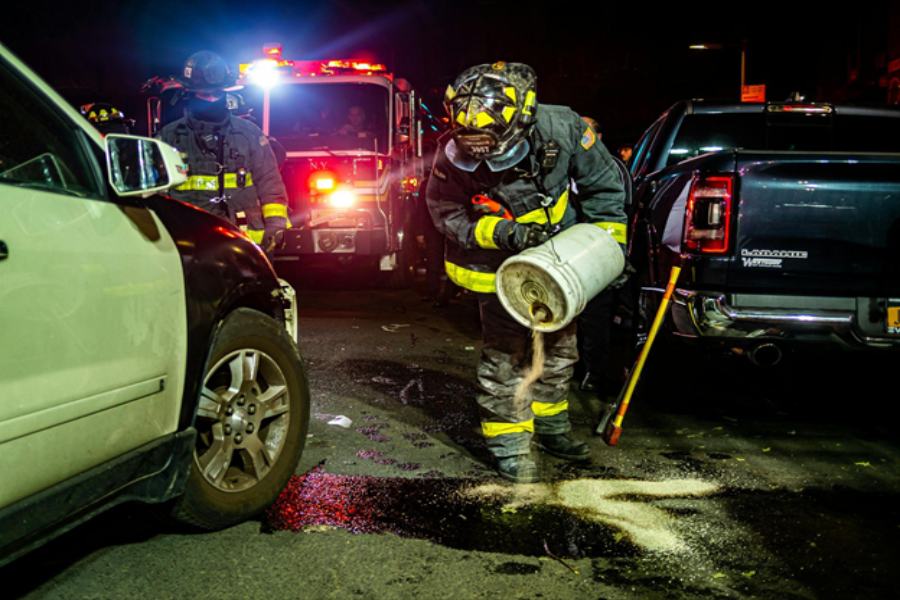
When you consider commercial truck accidents in Eau Claire, Wisconsin, several key factors come into play. Driver fatigue, mechanical failures, and distracted driving are among the leading causes, often resulting in serious consequences. Weather conditions and improper cargo securing also greatly impact safety on the roads. Understanding these elements is essential, but there’s more complexity beneath the surface that influences how these accidents occur and how they might be prevented.
Driver Fatigue and Its Impact on Truck Safety
Although trucking regulations limit hours of service, driver fatigue remains a leading cause of truck accidents in Eau Claire, Wisconsin. Research shows that fatigue impairs reaction time, decision-making, and attention, greatly increasing crash risk. As a truck driver, you’re expected to manage your driver health proactively to reduce fatigue. This involves adequate rest, proper nutrition, and regular medical check-ups to identify conditions like sleep apnea, which commonly affect commercial drivers. Fatigue management programs emphasize strategic napping and adherence to regulated driving hours to mitigate risks. Data from the National Highway Traffic Safety Administration indicate that fatigued driving contributes to approximately 13% of large truck crashes nationwide. In Eau Claire, targeted fatigue management strategies can improve safety outcomes by addressing both individual driver health and organizational policies. By prioritizing these measures, you help reduce the likelihood of fatigue-related accidents, enhancing overall road safety in Wisconsin’s trucking industry.
Mechanical Failures Leading to Truck Accidents
When mechanical issues go unnoticed or unaddressed, they greatly increase the risk of truck accidents in Eau Claire, Wisconsin. Studies show that engine malfunctions contribute to roughly 15% of commercial truck crashes locally, often stemming from maintenance negligence such as skipped inspections or delayed repairs. When accidents occur under these circumstances, determining responsibility may involve reviewing maintenance records and safety practices, which is why guidance from a truck accident lawsuit attorney can help clarify how mechanical failures factor into liability. If a truck has compromised brakes, faulty steering, or worn tires, vehicle control diminishes considerably, increasing the likelihood of serious collisions. Proactive inspections and timely servicing remain critical to reducing these preventable risks.
The Role of Distracted Driving in Commercial Truck Crashes
Since distracted driving greatly impairs reaction times and situational awareness, it plays an essential role in commercial truck crashes in Eau Claire, Wisconsin. When you’re behind the wheel of a large truck, even brief lapses caused by distractions can lead to severe accidents. Texting distractions, which require you to take your eyes off the road, are particularly hazardous. Visual distractions, such as adjusting GPS or glancing at roadside events, also contribute substantially.
Key distracted driving factors include:
- Texting distractions that divert your gaze and attention from driving
- Visual distractions from electronic devices or external stimuli
- Cognitive distractions when your mind wanders from the driving task
- Manual distractions involving hands off the wheel to handle objects
Data shows that these distractions reduce your ability to respond to sudden hazards, increasing collision risk. Understanding these elements helps emphasize why minimizing distractions is critical for safe commercial truck operation in Eau Claire.
Adverse Weather Conditions Affecting Truck Control
When you’re driving a truck in Eau Claire, slippery roads caused by rain, snow, or ice greatly increase the risk of losing control. Reduced visibility from fog, heavy rain, or snow further complicates safe navigation, limiting your reaction time. These weather-related factors are leading contributors to a measurable percentage of local truck accidents.
Slippery Road Hazards
Although truck drivers in Eau Claire, Wisconsin, are trained to handle various road conditions, slippery surfaces caused by rain, snow, or ice greatly increase the risk of losing control. Black ice, a transparent and hard-to-detect hazard, often forms on bridges and shaded road sections, dramatically reducing tire traction. Rain slickness creates a thin water layer that minimizes friction, impairing braking efficiency and steering response. These factors contribute considerably to truck skid incidents. To mitigate these risks, you should focus on:
- Monitoring weather forecasts to anticipate hazardous conditions
- Reducing speed on wet or icy roads
- Maintaining proper tire tread depth for ideal grip
- Avoiding sudden maneuvers that could trigger loss of control
Understanding these slippery road hazards is essential for safe truck operation in adverse weather.
Reduced Visibility Challenges
Because reduced visibility greatly impairs a truck driver’s ability to perceive road conditions and hazards, adverse weather such as heavy rain, fog, snow, and dust storms directly increase the likelihood of accidents in Eau Claire, Wisconsin. Foggy conditions reduce sight distance by up to 70%, limiting your ability to anticipate obstacles or changes in traffic flow. Nighttime driving further compounds this risk, as limited natural light and glare from oncoming headlights diminish contrast and depth perception. Data from the Wisconsin Department of Transportation shows that visibility-related crashes involving commercial trucks rise by 35% during periods of fog and nighttime hours. When visibility drops, your reaction time shortens considerably, making it harder to maintain control and avoid collisions. Adjusting speed and increasing following distance are critical but often insufficient without clear visibility.
Overloading and Improper Cargo Securing Risks
You need to understand that exceeding weight limits greatly increases the risk of brake failure and tire blowouts in trucks. Improperly secured cargo can shift suddenly, causing loss of control or rollover accidents. These factors are critical contributors to truck collisions in Eau Claire, demanding strict compliance with loading regulations.
Weight Limits Exceeded
When trucks exceed weight limits, their risk of accidents greatly increases due to compromised vehicle stability and braking efficiency. You need to understand that improper weight distribution and poor load management can exacerbate these risks. Overloading affects how well brakes respond and how stable the truck remains during maneuvers, especially in Eau Claire’s varied terrain. Key factors to watch for include:
- Increased stopping distances caused by excess weight
- Reduced tire traction and potential blowouts
- Stress on suspension and braking systems leading to mechanical failures
- Difficulty in maintaining control during emergency maneuvers
Cargo Shifting Hazards
Although overloading is a recognized risk factor, improperly secured cargo greatly contributes to truck accidents in Eau Claire by causing load shifts that destabilize the vehicle. When the cargo weight isn’t evenly distributed or properly restrained, sudden maneuvers or braking can cause the load to shift, leading to loss of control. Studies indicate that uneven load distribution increases rollover risk by up to 30%. You need to guarantee cargo is secured according to weight limits and balanced across the trailer to maintain vehicle stability. Failure to account for cargo weight and securement compromises braking efficiency and handling, elevating accident likelihood. Proper load distribution and securement minimize dynamic shifts, reducing the chances of jackknifing or rollovers. In Eau Claire, adherence to these protocols is critical for commercial truck safety.
Speeding and Reckless Driving Among Truck Operators
Since truck operators often face tight schedules and long routes, speeding and reckless driving have become significant factors contributing to accidents in Eau Claire, Wisconsin. When you consider the size and weight of commercial trucks, even slight increases in speed can drastically reduce reaction times and increase stopping distances, elevating crash risks. Data shows that speeding penalties are frequently imposed due to violations that compromise safety, but some operators still engage in reckless behavior despite these consequences.
You should be aware that common risky behaviors include:
- Excessive speeding beyond posted limits
- Aggressive lane changes without signaling
- Tailgating heavy vehicles
- Ignoring traffic signals and road conditions
Understanding these behaviors is vital, as they directly correlate with higher accident severity and frequency. Enforcement of speeding penalties aims to deter such conduct, but consistent monitoring and driver compliance are essential to improving roadway safety in Eau Claire.
Inadequate Training and Experience of Truck Drivers
Because truck driving demands specialized skills and knowledge, inadequate training and limited experience greatly increase the likelihood of accidents in Eau Claire, Wisconsin. When you consider that the Federal Motor Carrier Safety Administration (FMCSA) mandates specific driver qualifications, you realize how essential proper training programs are. If drivers haven’t completed thorough training programs or lack hands-on experience, their ability to respond to complex traffic situations diminishes considerably. Data shows that drivers with less than one year of experience are involved in accidents at a higher rate than seasoned operators. Additionally, inadequate training can lead to poor judgment in vehicle handling, load securement, and emergency maneuvers. When you scrutinize accident reports, many cite insufficient driver qualifications as a contributing factor. As a result, ensuring rigorous adherence to driver qualification standards and extensive training programs is crucial in reducing commercial truck accidents. You see, without these measures, the risk to public safety on Eau Claire’s roads remains unacceptably high.
Roadway Design and Infrastructure Challenges
While driver training plays a significant role in preventing truck accidents, the physical environment where trucks operate also heavily influences safety outcomes. In Eau Claire, roadway design and infrastructure challenges contribute significantly to commercial truck accidents. Poor roadway maintenance, such as potholes and uneven surfaces, can cause loss of control, especially for heavy trucks. Insufficient infrastructure improvements delay necessary enhancements like wider lanes or better signage, increasing collision risks. You should also consider:
- Narrow lanes and tight curves limiting maneuverability
- Inadequate lighting reducing visibility during night operations
- Insufficient shoulder space restricting emergency maneuvers
- Aging bridges and overpasses unable to support heavy truck loads
Addressing these challenges through targeted roadway maintenance and infrastructure improvements can reduce accident frequency and severity. Data indicates that well-maintained roads with updated infrastructure directly correlate with improved truck safety metrics in regions similar to Eau Claire.
Influence of Alcohol and Substance Use in Truck Accidents
Although truck drivers are subject to strict regulations regarding alcohol and substance use, violations still contribute notably to accidents in Eau Claire. Data from local enforcement agencies indicate that alcohol consumption among commercial drivers, though less frequent than in passenger vehicles, considerably increases crash risk. Substance abuse, including the use of illegal drugs and prescription medications that impair alertness, is also a notable factor. Studies show that drivers under the influence exhibit slower reaction times and impaired judgment, directly correlating with accident severity. In Eau Claire, toxicology reports from truck accidents reveal that approximately 7% involved drivers with detectable levels of alcohol or drugs. This percentage, while relatively low, underscores a critical safety concern given the mass and speed of commercial trucks. You need to recognize that ongoing monitoring and enforcement are essential to mitigate these risks. Understanding the influence of alcohol consumption and substance abuse helps you appreciate the importance of strict compliance for overall roadway safety.
The Effect of Poor Vehicle Maintenance on Accident Rates
You need to understand that poorly maintained brake systems greatly increase the risk of truck accidents, as studies show brake failures account for nearly 20% of such incidents. Additionally, worn or damaged tires reduce traction and handling, contributing to a substantial number of crashes. These mechanical issues clearly demonstrate how maintenance lapses directly impact accident rates in Eau Claire.
Brake System Failures
Because brake system failures account for a significant percentage of truck accidents in Eau Claire, understanding their link to poor vehicle maintenance is essential. When brake inspections aren’t performed regularly or maintenance schedules are ignored, critical components can deteriorate unnoticed, increasing accident risks. Data shows that neglected brake systems often lead to longer stopping distances or complete brake loss.
To reduce these risks, you should focus on:
- Adhering strictly to manufacturer-recommended brake inspections
- Monitoring brake fluid levels and quality
- Replacing worn brake pads and shoes promptly
- Checking for air leaks in air brake systems
Tire Wear and Damage
When tire wear and damage go unchecked, the risk of truck accidents in Eau Claire rises greatly. Data shows that trucks with insufficient tread depth are more prone to hydroplaning and longer stopping distances, increasing accident probability by up to 30%. Regular tire inspections can detect issues like uneven wear, cuts, or bulges that compromise tire integrity. The Federal Motor Carrier Safety Administration mandates maintaining a minimum tread depth of 4/32 inch on steer tires and 2/32 inch on other tires to guarantee safe traction. Ignoring these standards elevates the likelihood of blowouts and loss of vehicle control. By prioritizing systematic tire inspections and adhering to tread depth requirements, you can greatly reduce accident rates linked to tire-related failures in Eau Claire’s commercial trucking sector.
Frequently Asked Questions
How Do Insurance Claims Work After a Commercial Truck Accident?
After a commercial truck accident, you’ll notify your insurance company to start the claim process. They’ll review your insurance policy, assess damages, and determine liability before settling claims based on policy terms and accident specifics.
What Legal Rights Do Accident Victims Have in Wisconsin?
You have victim rights to seek compensation for damages and injuries in Wisconsin. Securing legal representation guarantees your claims are properly handled, evidence is preserved, and deadlines are met, maximizing your chances of a favorable outcome.
How Long Do Truck Accident Injury Cases Typically Take to Resolve?
Truck accident injury cases typically take several months to over a year to resolve, depending on case complexity. Your settlement timeline varies with evidence gathering, negotiations, and potential litigation, so be prepared for a detailed process.
What Types of Compensation Are Available for Truck Accident Victims?
You can claim compensation for economic impact like medical bills, lost wages, and property damage, plus non-economic damages such as emotional distress and pain. These cover both tangible and intangible losses after your truck accident.
When Should You Contact a Lawyer After a Truck Accident?
You should contact a lawyer immediately after your truck accident to preserve evidence and protect your rights. Understanding when to contact legal help is essential, as the importance of legal guidance greatly impacts your compensation outcome.