

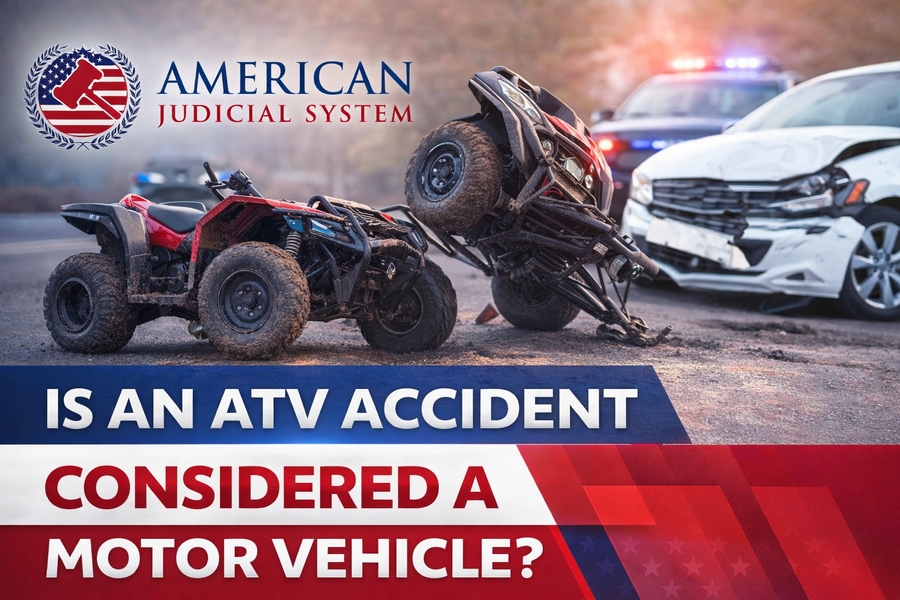
When you’re involved in an ATV accident, one of the most important questions is whether the accident is considered a motor vehicle accident. Understanding this distinction is crucial because it influences the claims process, liability, and insurance coverage.
While ATVs are vehicles, they are designed for off-road use, which can complicate legal matters. Let’s break down everything you need to know about whether your ATV accident might be considered a motor vehicle accident.
What Constitutes a Motor Vehicle Accident?
In general, motor vehicle accidents involve vehicles designed for use on public roads. These include cars, trucks, motorcycles, and other vehicles that require registration, insurance, and are subject to road traffic laws. However, when it comes to off-road vehicles like ATVs, the situation becomes murkier.
An ATV (All-Terrain Vehicle) is a four-wheeled vehicle designed for off-road use, and its use is regulated differently from standard motor vehicles. In many cases, ATVs are not used on public highways, which could exclude them from being classified as motor vehicle accidents under certain circumstances. However, if an ATV is involved in a collision on a public road or has insurance coverage under a motor vehicle policy, it may be considered a motor vehicle accident.
For example, in Ontario, an ATV accident on public roads may qualify as a motor vehicle accident under the Ontario Court of Appeal’s decision regarding the “Off-Road Vehicles Act”. This distinction can affect the benefits and insurance claims following the incident. To fully understand how these legal issues unfold, you can gain more clarity by exploring how they win your malpractice case, which provides insights into how legal complexities are managed.
Insurance Coverage for ATV Accidents
In ATV accidents, insurance coverage plays a major role in determining whether the accident falls under the motor vehicle category. While ATVs themselves are often covered by specific policies, it’s important to know whether the insurance is sufficient for accidents that happen off-road or on public roads.
In some jurisdictions, the Compulsory Automobile Insurance Act (CAIA) may require insurance for ATVs operated on public property. In such cases, the accident could potentially be treated as a motor vehicle accident, and the same rules would apply regarding fault and compensation. However, not all ATVs are covered by vehicle insurance. In Florida, for instance, many ATVs are not considered motor vehicles under the law, which could limit the ability to file claims under standard motor vehicle policies .
When operating an ATV, it’s essential to ensure that you have the correct type of insurance, especially if you intend to use it on public roads. Insurance for off-road use may not cover public road accidents, making it even more important to know your policy details.
What You Should Know About Insurance and ATV Accidents
ATV insurance can cover a wide range of incidents, but it’s essential to understand what specific situations are included in your policy. Some policies only cover damage to the vehicle, while others may cover injuries, damage to property, and other types of claims.
If you are involved in an ATV accident on a public road, having the proper insurance coverage may determine if the accident qualifies as a motor vehicle accident. You can avoid legal complications and ensure that your rights are protected by discussing the specifics of your policy with an attorney specializing in vehicle accidents .
Common Causes of ATV Accidents
Understanding the causes of ATV accidents can also help determine if the incident falls under motor vehicle laws. Several factors contribute to ATV accidents, with the most common being operator error, poor terrain, and lack of safety equipment. In addition, alcohol consumption while driving an ATV can lead to severe accidents and fatalities, just like on-road vehicles.
In fact, many accidents occur when ATVs are used on paved roads, where the vehicle’s handling is not suited to smooth surfaces. This is why it’s crucial for riders to understand the risks and use ATVs only in designated areas. Another factor contributing to accidents is improper maintenance. Failure to check tire pressure or repair mechanical issues can lead to dangerous situations.
An important legal question arises when the accident is caused by faulty equipment or negligence. In cases like these, an injured party may be able to pursue a negligence claim, even if the accident occurred off-road. To understand the details of these claims further, refer to navigating the legal turmoil of vehicle collisions for important insights into your rights and responsibilities.
Filing a Claim After an ATV Accident
Filing a claim after an ATV accident largely depends on whether the incident is classified as a motor vehicle accident. In many cases, if the accident occurs on private property or off-road, you may have to rely on the ATV’s own insurance policy for coverage. However, accidents that occur on public roads may be covered by standard vehicle insurance.
The key to filing an effective claim is understanding the legal framework in your state or country. In Florida, for example, ATV accidents on public roads are treated like motor vehicle accidents. This means that the process for filing claims and seeking compensation may involve the same procedures as a car crash claim, such as dealing with insurance adjusters, collecting evidence, and working with lawyers.
However, if the ATV accident occurs off-road, the legal process may differ, and an attorney who understands ATV accident law will be essential. If you find yourself in this situation, it is crucial to seek professional legal guidance to navigate the complexities of ATV accident claims.
How a Lawyer Can Help with Your ATV Accident Claim
Navigating the legal complexities of ATV accidents can be challenging. An experienced attorney can help you understand whether your accident qualifies as a motor vehicle accident and guide you through the process of filing claims with your insurance provider. Legal professionals specializing in ATV accidents will have a better understanding of state laws regarding vehicle classifications, fault, and insurance coverage.
For example, an attorney can assist you if the ATV accident happened on a public road and may qualify as a motor vehicle accident under your insurance. Additionally, if the accident was caused by defective equipment or negligence, an attorney can help you pursue a product liability claim or a negligence lawsuit. You can learn more about the steps to take after an accident by consulting an expert in personal injury law.
How to Prevent ATV Accidents
While some ATV accidents are unavoidable, many can be prevented with proper precautions. Always wear safety gear, including helmets, gloves, and protective pads. It’s also essential to check your ATV’s condition before riding. Regular maintenance and repairs ensure that your ATV is safe to operate, reducing the likelihood of mechanical failure.
Avoid operating ATVs on public roads unless they are legally allowed, and always follow local traffic regulations. By adhering to safety guidelines and understanding the risks involved, you can significantly reduce the chances of an accident.
Conclusion
In conclusion, an ATV accident can be considered a motor vehicle accident under certain circumstances, especially when the ATV is operated on public roads or has insurance coverage that falls under motor vehicle laws.
Knowing the legal framework and insurance policies that apply to ATV accidents will help you understand your rights and responsibilities. If you’re involved in an ATV accident, it’s always best to consult with a legal professional who can guide you through the process of filing a claim and obtaining compensation.