

Personal injury claims are vital for supporting people in providing care for those who have sustained injuries that need ongoing care. In Norwalk, Connecticut, personal injury cases involving long-term medical needs are increasingly common, with the Centers for Disease Control and Prevention reporting that approximately 31 million Americans experience injuries requiring medical treatment annually. According to the National Safety Council, the total cost of preventable injuries in 2022 exceeded $1,235 billion, including medical expenses and lost wages. Serious injuries often require years of ongoing treatment, with the average lifetime cost for a severe traumatic brain injury reaching $3 million or more.
These claims pave the way for compensation to sustain people with future medical costs and necessary disbursements. Consulting a Norwalk personal injury lawyer can help injured individuals understand their options for securing compensation that addresses both immediate and long-term needs. The link between these claims and enduring health care needs allows those who have sustained injuries to get the assistance needed for full recovery.
Addressing Lasting Injuries
The burden of injuries caused by accidents can sometimes, unfortunately, last well beyond the occurrence itself. For many, the pain remains, while mobility or constant well-being issues befall them. Such challenges can interfere with day-to-day activities, affect independence, and impact mental health and well-being. So, appropriate financial support becomes important for a better life.
Calculating Future Medical Expenses
Allocating an accurate cost for ongoing care is extremely nuanced. Medical professionals and legal experts frequently work together on these numbers to estimate the long-term consequences. This assessment takes into account future operations, therapy, medication, and mobility appliances. Settlements should be based on accurate predictions rather than inflated estimates that risk future financial distress.
Compensation for Rehabilitation and Therapy
You can achieve full recovery after a serious injury, such as in a car accident, through post-rehabilitation that often includes physical therapy, occupational therapy, and counseling. They help heal, restore function, and improve emotional well-being. According to the National Institute of Neurological Disorders and Stroke, comprehensive rehabilitation is essential for maximizing recovery outcomes after serious injuries. Because those treatments are essential to include your recovery and personal injury claims in the total compensation amount. Therapy coverage provides a lifeline to independence and new ways to function.
Home Modifications and Assistive Devices
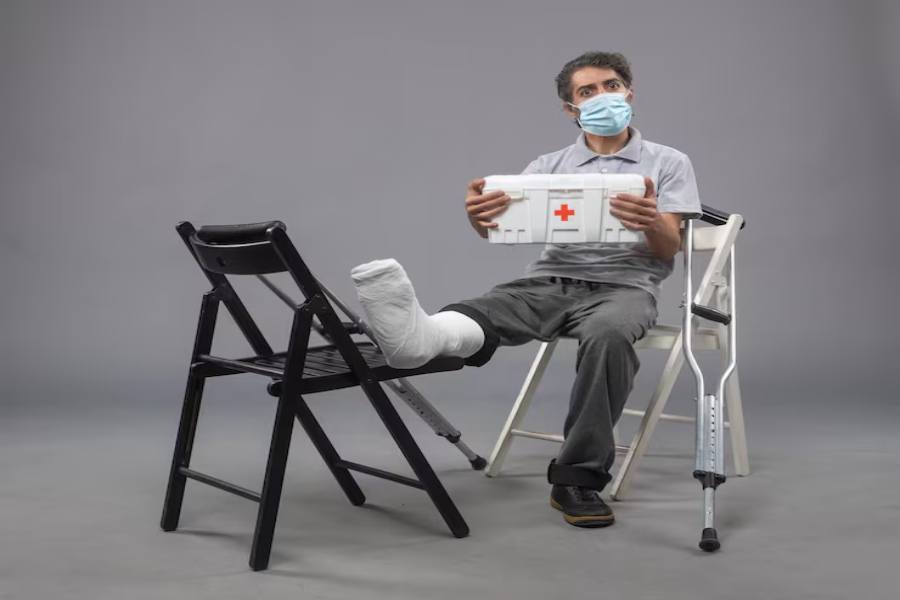
A few will need alterations around the house or specific devices. You may need ramps, widened doorways, or stairlifts to access your home. Claims can also include wheelchairs, prosthetics, or assistive technology. Compensating for these damages makes it easier for those adapting to life after an accident to have a safer and more accessible environment.
Ongoing Medication and Medical Supplies
Meds and medical supplies may be continually necessary for those with chronic pain or disability. Over time, the costs for things like prescriptions, wound care products, and other necessities add up. Personal injury claims provide the required funds for these ongoing necessities, so people do not have to live without health and comfort.
Mental Health and Emotional Support
Accident trauma can cause anxiety, depression, or post-traumatic stress. The presence of these becomes essential for healing in the form of counseling, support groups, and mental health services. Counseling services are also frequently included in a personal injury settlement, as healing often means emotional therapy and counseling. Including psychological support in a thorough recovery process facilitates the individual’s ability to regain confidence and resume their normal activities.
Loss of Earning Capacity
Some long-term injuries may prevent a person from being able to go back to work or do what he or she does best. Calculating future lost income is a key part of any personal injury claim. Settlements can include diminished earning power so families can continue the financial stability they have become accustomed to. This type of settlement is incredibly helpful for households affected by income loss over many years.
Periodic Payments and Structured Settlements
Certain compensation packages are paid in installments rather than one lump sum. Structured settlements offer enduring financial support that coincides with when medical bills are due. It makes sure that treatment and other essentials remain accessible and minimizes the possibility that funds will dry up too soon.
The Importance of Expert Testimony
Medical experts, rehabilitation specialists, and financial professionals often provide testimony in personal injury cases. This data provides courts and insurance companies with an understanding of the full spectrum of future needs. Specific proof from these experts bolsters the case for full compensation, thus protecting the health of the injured plaintiff in the long term.
Advocating for Comprehensive Support
Attorneys assist in addressing all aspects of a client’s long-term needs. They pull together the paperwork and experts and negotiate with the insurance company. Sound advocacy enables claimants to receive the settlements that are appropriate to their existing and future needs.
Conclusion
A personal injury claim will be tremendously valuable for a person who will need long-term medical care due to an accident. Such grants are instrumental in providing funding for the ongoing care, rehabilitation, and emotional support needed to recover and thrive. These claims assist injured individuals in concentrating on their recovery and adjusting to a new reality by factoring in future expenses. Sufficient compensation provides independence and enhances the quality of life for people living with long-term injuries.